Resilient Minds USA

Resources

Notes and tools for steadier mental health care.

Medication Management

What to expect from your first medication visit

Your first appointment is a conversation about symptoms, history, goals, current medications, and what has or has not helped before. The goal is clarity, not pressure.

ADHD & Focus

When attention problems start affecting daily life

ADHD care can include assessment, education, behavioral strategies, and medication options when appropriate. Treatment should fit school, work, sleep, and real routines.

Anxiety & Mood

Building a care plan for anxiety, depression, or mood shifts

A thoughtful plan looks at stress, sleep, medical history, relationships, and medication response so care can support both symptom relief and day-to-day functioning.

Readable Resources

Supportive tools for everyday growth.

Time Management

Urgent vs. important tasks

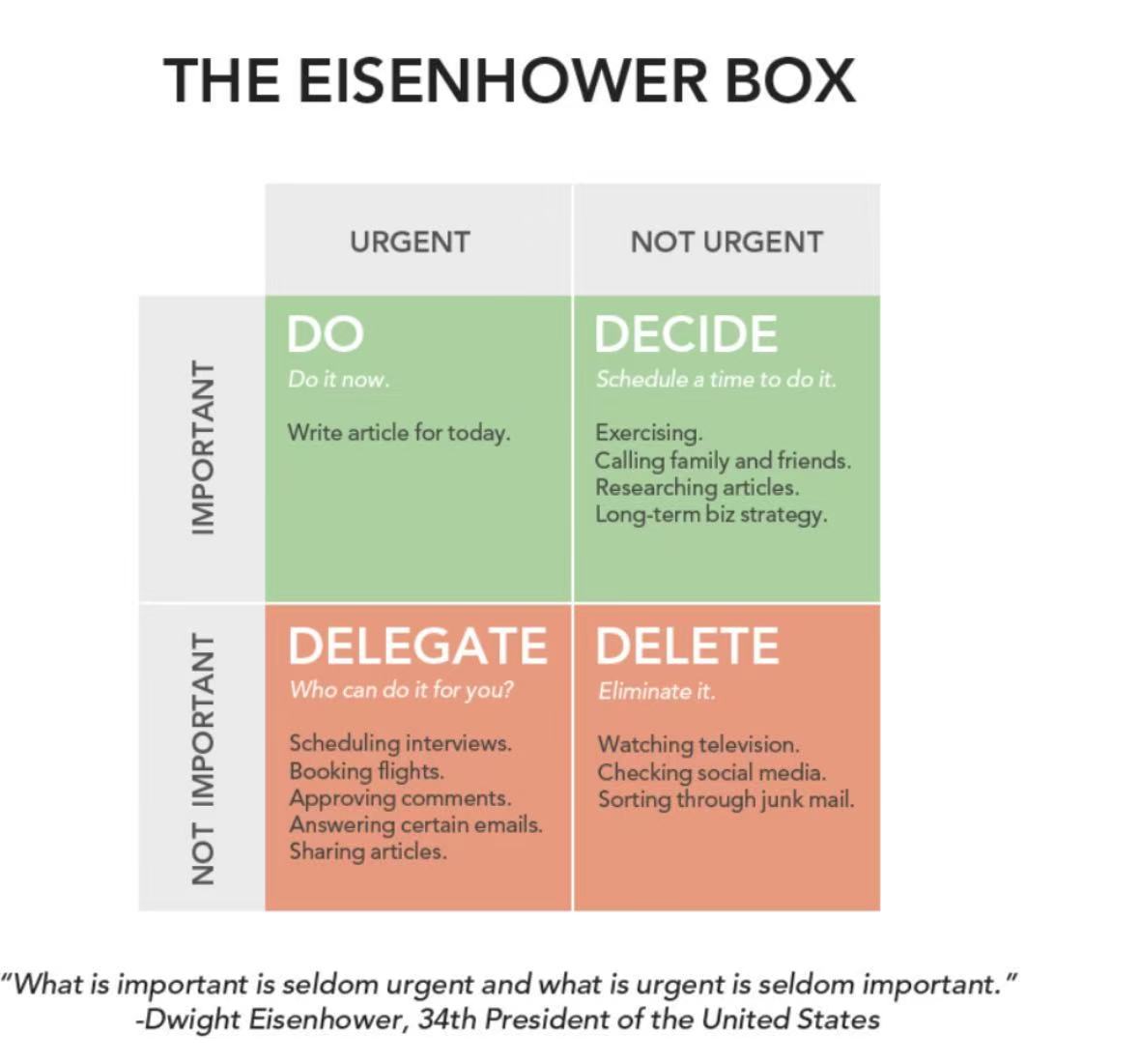
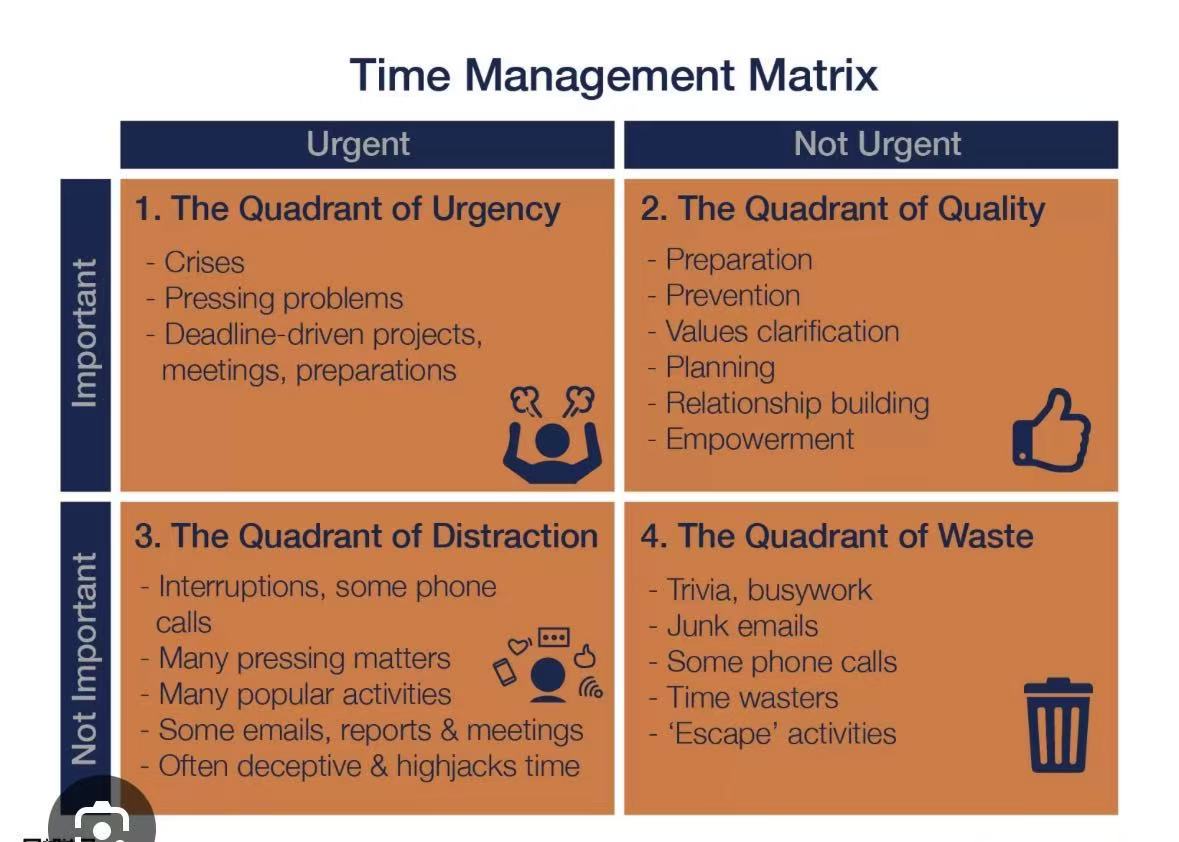
A guide to using the Eisenhower Matrix, color-coding priorities, and deciding what to do first, schedule, delegate, or set aside.
Read

How to distinguish between urgent and important tasks

The Eisenhower Box showing urgent, not urgent, important, and not important quadrants.
Time Management Matrix showing quadrants of urgency, quality, distraction, and waste.

Urgent and important may seem similar, but the difference matters when using the Eisenhower Matrix. Knowing the difference can help you decide what needs your attention now and what can be planned, delegated, or removed.

Urgent tasks need immediate attention. They must be handled now, and there are clear consequences if they are not completed within a certain timeline. Delaying urgent tasks often increases stress and can contribute to burnout.

  • Finishing a project with a last-minute due date
  • Handling an urgent client request
  • Fixing a busted pipe in your apartment

Important tasks may not require immediate attention, but they support your long-term goals. They still matter, and they usually need thoughtful planning so your time and energy are used well.

  • Planning a long-term project
  • Professional networking to build a client base
  • Regular chores and maintenance projects

4 tips for prioritizing your tasks

1. Color-code your tasks

Color-coding can help you see priority quickly. Try assigning four colors as you review your to-do list.

  • Green = highest priority items
  • Yellow = second-highest priority
  • Blue = third-highest priority
  • Red = not a priority

Green tasks become your "do" tasks. Yellow tasks become your "schedule" tasks. Blue tasks become your "delegate" tasks. Red tasks become your "delete" tasks.

2. Limit tasks to 10 per quadrant

Even if your to-do list is long, try limiting each quadrant to 10 items. This keeps the matrix from becoming cluttered or overwhelming.

3. Make personal and professional to-do lists

Personal and professional tasks often involve different timelines, resources, and mental energy. Separate matrices can make prioritizing easier.

4. Eliminate, then prioritize

Start by removing unnecessary tasks. After clearing what does not need to be there, it is easier to decide what belongs in the do, schedule, and delegate categories.

Open full page

ADHD & Emotion Regulation

Rejection Sensitive Dysphoria

An overview of RSD, common experiences, why it may happen, and coping strategies for intense rejection-related emotions.

Read

Rejection Sensitive Dysphoria (RSD) is intense emotional pain and sensitivity to real or perceived criticism, rejection, or failure. It is often linked with ADHD, though it can also be seen with ASD and other conditions. Small social slights can feel devastating and may lead to sudden mood shifts, shame, anger, withdrawal, people-pleasing, or lashing out.

RSD is not a formal diagnosis, but it is a recognized experience of extreme emotional dysregulation in which the brain has difficulty managing rejection-related emotions.

Common symptoms and experiences

  • Intense emotional pain: sudden feelings of worthlessness, shame, or deep hurt from minor incidents.
  • Rage and meltdowns: externalizing pain through explosive anger or outbursts.
  • Withdrawal and avoidance: internalizing pain, leading to isolation, depression, or avoiding social situations.
  • Perfectionism and people-pleasing: trying to prevent rejection by meeting very high standards or overcorrecting to stay in others' good graces.
  • Rumination: obsessing over perceived slights or mistakes for days.
  • Difficulty bouncing back: feeling unable to let go of past hurts.

Why it may happen

  • Brain differences: ADHD brains may have more difficulty regulating intense emotions.
  • History: criticism, neglect, or bullying can heighten sensitivity.
  • Internal vs. external responses: reactions may resemble major mood symptoms, which can sometimes lead to confusion or misdiagnosis.

Coping strategies

  • Acknowledge and name it: recognizing RSD can help depersonalize the reaction.
  • Cognitive behavioral techniques: challenge negative thought patterns.
  • Mindfulness and self-compassion: build emotional regulation and self-acceptance.
  • Medication: ADHD medications can sometimes help with emotional dysregulation.
  • Build support: create a safe, understanding environment.
Open full page

Procrastination

Understanding procrastination patterns

A handout on common procrastination styles, values-based priorities, realistic goals, scheduling, environment changes, and self-compassion.

Read

Procrastination is common, and noticing it is an important first step. Procrastination means delaying a task or activity until later, often while doing unrelated activities instead, such as watching TV, playing games, or scrolling social media.

Common forms of procrastination

  • The perfectionist: sets standards so high that starting or finishing becomes overwhelming.
  • The dreamer: has ideas and goals but struggles to create a practical plan.
  • The worrier: becomes stuck in what-if thinking and has difficulty making decisions.
  • The crisis-maker: waits until the last minute and relies on pressure to get started.
  • The overdoer: takes on too much, struggles to say no, and may be at increased risk of burnout.

Questions for reflection

Consider your priorities and goals, both long-term and over the next year or two. Which activities align with those priorities? Which do not? It can also help to name your core values and see whether your current schedule reflects what matters most to you.

If you have too many competing priorities, ranking them can help. Deciding that something cannot be prioritized right now does not mean it is unimportant. It simply means your time and capacity may need to go elsewhere for the moment.

Time management strategies

  • Establish realistic goals: focus on one goal at a time and break larger projects into smaller milestones.
  • Change your environment: choose a lower-distraction space or use accountability with others when helpful.
  • Plan your schedule in advance: review daily plans ahead of time and build in extra time for unexpected delays.
  • Set intentional time for socializing: schedule time with friends, family, or partners so connection is not left to chance.
  • Be kind to yourself: breaks, forgiveness, and realistic expectations can make change more sustainable.

Multitasking may feel efficient, but it can reduce productivity and work quality. It may help to log off social media, turn off background distractions, and focus on one task at a time. Stress can also contribute to procrastination, so support from a health promotion specialist or mental health professional may be helpful when the pattern feels overwhelming.

List adapted from Indiana State University.

Open full page

Personal Growth

Inspirational books for self-love

A curated reading list focused on self-compassion, authenticity, emotional growth, relationships, boundaries, and personal healing.

Read

Inspirational / Self-Help Books on Self-Love and Personal Growth

  • The Gifts of Imperfection: Let Go of Who You Think You're Supposed to Be and Embrace Who You Are by Brene Brown
    A thoughtful guide to authenticity, courage, vulnerability, and self-acceptance. This book may be helpful for readers learning to let go of perfectionism, trust themselves more deeply, and live with more confidence and openness.
  • You Can Heal Your Life by Louise Hay
    A classic book focused on self-love, positive affirmations, and shifting unhelpful thought patterns. It may support readers working toward a more compassionate relationship with themselves.
  • The Self-Love Experiment: Fifteen Principles for Becoming More Kind, Compassionate, and Accepting of Yourself by Shannon Kaiser
    Practical principles for developing more kindness, compassion, and acceptance toward oneself.
  • Untamed by Glennon Doyle
    A memoir about authenticity, self-discovery, and the courage to live in alignment with personal values.
  • Self-Compassion: The Proven Power of Being Kind to Yourself by Kristin Neff
    An introduction to responding to oneself with kindness during difficult moments and building emotional resilience.
  • Radical Acceptance by Tara Brach
    A compassionate approach to mindfulness, acceptance, and inner healing.
  • What Happened to You? by Oprah Winfrey and Dr. Bruce Perry
    A look at how life experiences shape emotions, relationships, and self-understanding.
  • Braving the Wilderness by Brene Brown
    A reflection on true belonging and the courage it takes to stay connected to oneself.
  • All About Love: New Visions by bell hooks
    A reflection on love, care, connection, emotional growth, and healthier relationships.
  • The Body Is Not an Apology: The Power of Radical Self-Love by Sonya Renee Taylor
    A book about body image, self-acceptance, personal dignity, and radical self-love.
  • Adult Children of Emotionally Immature Parents by Lindsay C. Gibson
    A resource for understanding family dynamics, boundaries, emotional development, and a more secure sense of self.
Open full page

Ready to connect?

Start with a direct conversation.